Nutcracker: Loading...

One thing worth mentioning is that in order to be effective, one has to learn the system as well as possible. In order to write demo effects (for example) it is usually sufficient to learn some parts of the hardware (Shifter/Videl, YM2149, MFP, etc). But other software are usually more complex and use other parts of the system, which includes I/O and the operating system itself.

Probably one of the most important things for this series is to learn how to get data from storage devices into memory. We will present some of the most used techniques in the hope of seeing them here will make them recognisable “out in the field”.
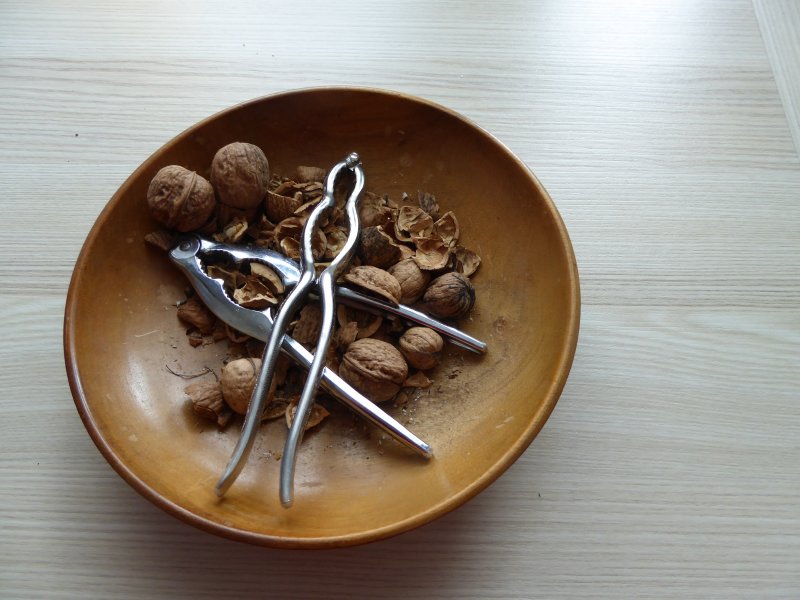
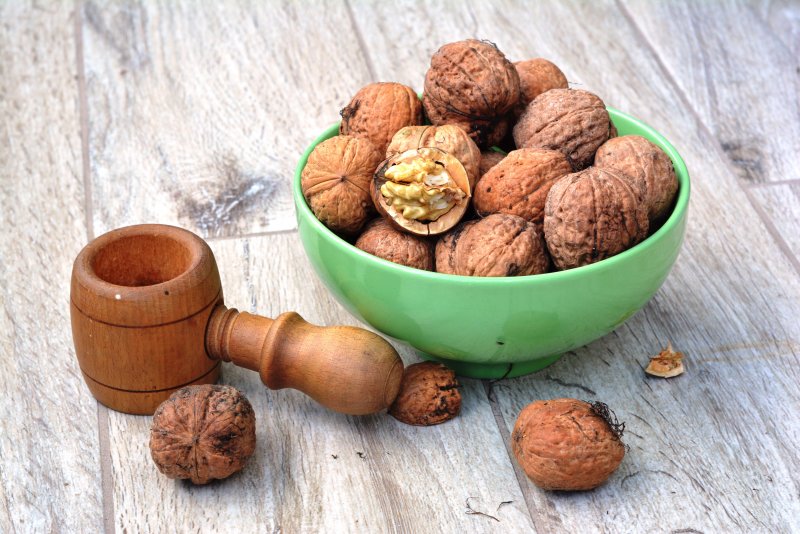
Crackety crack!

»

Nutcracker: Getting started

Let’s start by covering the absolute basics.

(Note that this won’t be a take-people-by-the-hand-and-show-them-everything series, it will mostly focus on specialised topics that people will stumble on. Things like setting up and using emulators etc are taken for granted)

Crack!

»

RAM handling on the Atari ST

I mean, doesn’t look that hard to handle, does it?

Probably one of the more boring and contrived subjects to discuss, especially in old platforms like this, is how to handle memory in applications, from demos to games or even a normal GEM application. However, since people are still confused about this on anything than the trivial cases, it’s probably a good idea to review some concepts and offer some food for thought.

»